Volume 1, Issue 2 (Summer 2019)
Tour Res 2019, 1(2): 95-108 |
Back to browse issues page



Download citation:
BibTeX | RIS | EndNote | Medlars | ProCite | Reference Manager | RefWorks
Send citation to:


BibTeX | RIS | EndNote | Medlars | ProCite | Reference Manager | RefWorks
Send citation to:
Ghasemi Vasmejani A, Karimi B, Ghomi Avili A. The Role of Tourism in the Sustainable Economic Development of Metropolitan Institutions (Case study: District 4 of Tehran Municipality). Tour Res 2019; 1 (2) :95-108
URL: http://journal.richt.ir/tr/article-1-35-en.html
URL: http://journal.richt.ir/tr/article-1-35-en.html


Department of Typical Touristic Areas, Iranian Cultural Heritage Handicrafts and Tourism Organization, Tehran, Iran, Department of Typical Touristic Areas, Iranian Cultural Heritage Handicrafts and Tourism Organization, Tehran, Iran , T.ghasemi1985@gmail.com
2- Geography and Rural Planning, University of Tehran, Tehran, Iran
3- Forest Sciences Department, Tarbiat Modarres University, Tehran, Iran
2- Geography and Rural Planning, University of Tehran, Tehran, Iran
3- Forest Sciences Department, Tarbiat Modarres University, Tehran, Iran
Abstract: (5131 Views)
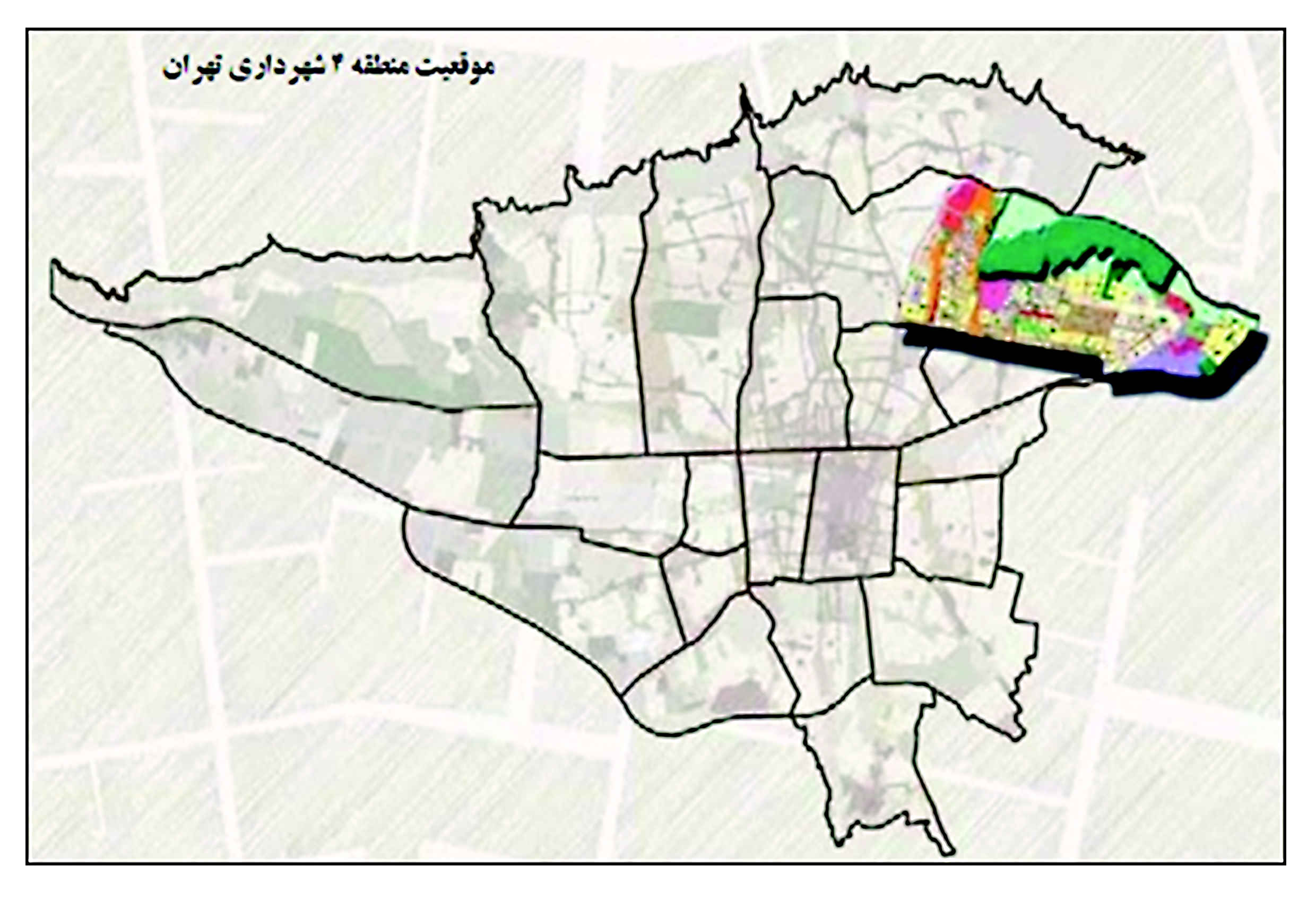
The impact of tourism on urban structures and spaces has led tourism to be of particular importance to urban management, and suggests to city managers that improving the quality of these spaces and creating suitable facilities for tourists such as residential centers, recreation areas, and the provision of equipment and modern furniture may urban attract visitors to urban public spaces and ultimately attracts tourists. Urban public spaces and the quality of these spaces are one of the most important indicators of sustainable development of urban tourism, the development of which requires more attention, especially that it has a particular impact on the urban economy and targets the improvement of the economic situation of citizens. The 4th district of Tehran, which is the subject of this study, consists of the view of the Alborz mountain range and green areas such as the valleys of the Lar and Latian dam and the green valleys of Fasham, Oshan and Meigoon, and the recreational sports areas of Darband, Shemshak and Abalei in the east of the Tehran metropolitan area. This area is one of the most populous, most migratory and most resource-intensive areas that because of the largest protected area (Lavizan Forest Park) is distinguished from other parts of Tehran. Sustainable economic development of urban tourism is one of the tools for improving the quality of life of citizens and improving the environmental space of this applied area, which requires appropriate tourism facilities for leisure time and developing tourism. This research is a descriptive-analytic study used to collect data using field and documentary methods. Data were analyzed by T-test, ANOVA and Tukey tests using SPSS software. The results of the research show that the studied area has a relatively stable economic sustainability. Also, the results of one-way ANOVA and Tukey's test show that the price is the most important factor affecting the sustainable economic development of tourism.
Keywords: Metropolitan tourism, Tourism economics, Sustainable urban economic development, Tourism facilities
Type of Study: Research Article |
Subject:
Planning
Received: 2017/09/23 | Accepted: 2017/09/23 | Published: 2017/09/23
Received: 2017/09/23 | Accepted: 2017/09/23 | Published: 2017/09/23
References
1. ابراهیمزاده، عیسی؛ حافظرضازاده، معصومه و دارایی، مرضیه. 1393، برنامهریزی و مکانیابی بهینه تسهیلات و زیرساختهای گردشگری شهری با استفاده از GIS (موردشناسی: شهر سمنان)، جغرافیا و توسعه، شماره 35.
2. اسماعیلزاده، یعقوب، و حسن اسماعیلزاده، 1393، «گردشگری پایدار طبیعی در چشماندازهای کوهستانی (مطالعه موردی: حوضه آبخیز درکه ولنجک)»، اولین همایش بینالمللی علمی - راهبردی توسعه گردشگری جمهوری اسلامی ایران چالشها و چشماندازها.
3. اعتمادینیا، امیرعباس، محسن مصلحی، 1391، «تحلیل و بررسی گردشگری و نقش آن در توسعه پایدار شهری (نمونه موردی شهر اصفهان)»، فصلنامه جغرافیا و برنامهریزی شهری چشمانداز زاگرس، سال چهارم، شماره 13.
4. اکبرپورسراسکانرود، محمد و نوربخش، سیدفاطمه. (1389). نقش اکوتوریسم در توسعه پایدار شهری و روستایی (نمونه موردی: جزیره قشم). مسکن و محیط روستا، دوره 29، ش 132، زمستان، ص 76-61.
5. ایرانیبهبهانی، هما؛ فریادی، شهرزاد و محبعلی، گلنار. (1391). حفاظت و باززندهسازی منظر رود دره دربند براساس الگوهای رفتاری. محیطشناسی، س 38، ش 62 ، تابستان، ص 134-127.
6. رهنمایی، محمدتقی؛ فرهودی، رحمتالله؛ دیتمان، آندریاس و قدمی، مصطفی. (1387). بررسی ظرفیت حوزه مقصد گردشگری با تأکید بر جامعه میزبان (نمونه موردی: مطالعه شهر کالردشت). پژوهشهای جغرافیای انسانی، ش 66، زمستان، ص 34-17.
7. زاهدی، شمسالسادات. (1385). مبانی توریسم و اکوتوریسم پایدار (با تأکید بر محیطزیست). تهران: دانشگاه علامه طباطبایی.
8. شعبانیفرد، محمد؛ احمدپور، احمد؛ حسینی، علی و رشیدی، مصطفی. (1388). بررسی سنجش ظرفیت پذیرش گردشگری شهری و مدلسازی شهرهای گردشگری پایدار از بعد کالبدی (نمونه موردی: منطقه 12 تهران). تحقیقات کاربردی علوم جغرافیایی (علوم جغرافیایی)، دوره 11، ش 14، پاییز، ص 74-47.
9. شهابیان، پویان. (1390). بررسی نقش و اثرات گردشگری شهری در توسعه پایدار شهر؛ با تأکید بر ادراک ساکنان، مجله آرمانشهر، شماره 7.
10. شهرداری منطقه 4 تهران، 1395 (تا جایی که میدانم چنین آدرسدادنی نمیتواند صحیح باشد؛ آیا نشریه بوده یا گزارش سازمانی یا مصاحبه یا هرچیزی که ظاهرا مشخص نیست).
11. فرجیراد، عبدالرضا، سیده ژاله سیدنصیری، 1389، «رویکردهای تحلیلی در توسعه پایدار گردشگری شهری»، فصلنامه جغرافیایی سرزمین، سال هفتم، شماره 25.
12. کاظمیان، غلامرضا، الهام آزادی، 1390، «الگوی توسعه گردشگری شهری در مرکز شهر تهران با رویکرد مدیریت شهری»، فصلنامه مطالعات گردشگری، سال هفتم، شماره 15، بهار و تابستان.
13. کوهن، گوئل. (1380). صنعت توریسم و توسعه پایدار نمادی از مدیریت پویا. محیطشناسی، دوره 24، ش 21(1089)، ص 90-79.
14. محلاتی، صلاحالدین. (1380). درآمدی بر جهانگردی. تهران: دانشگاه شهید بهشتی.
15. ملکنیا، محبوبه. (1389). نقش محورهای فرهنگی و تاریخی منطقه 12 در توسعه گردشگری شهر تهران. پایاننامه کارشناسیارشد، دانشگاه پیام نور.
16. نوربخش، سیدمرتضی و اکبرپورسراسکانرود، محمد. (1387). نقش گردشگری شهری در توسعه اقتصادی کلانشهرها، اقتصاد شهر (ویژهنامه اقتصاد گردشگری شهری، س 2، زمستان، ص 35-20.
17. Brass, J. L. (1994). Community tourism assessment handbook. Corvallis, Oregon: Western Rural Development Center, Oregon State University. Web Site: http://extension.usu.edu/wrdc/ctah.
18. Hall., C. M. (2000). Tourism Planning; Pearson Education Limited. Londo.
19. Kousis, M. (2000). Tourism and the environment: A social movements perspective. Annals of Tourism Research, 27(2), 468 - 489.
20. McCool, S. F. (1995). Linking tourism, the environment, and concepts of sustainability: setting the stage. Linking tourism, the environment, and concepts of sustainability: setting the stage, (INT-323), 3 - 7.
21. McIntyre, G. (1993). Sustainable tourism development: guide for local planners. World Tourism Organization (WTO).
22. Mottiar, Z. (2006). Holiday home owners, a route to sustainable tourism development? An economic analysis of tourist expenditure data. Journal of Sustainable Tourism, 14(6), 582 - 599.
23. Weaver, D. B., & Lawton, L. J. (2001). Resident perceptions in the urban–rural fringe. Annals of tourism research, 28(2), 439 - 458.
Send email to the article author
| Rights and permissions | |
 |
This work is licensed under a Creative Commons Attribution-NonCommercial 4.0 International License. |